Preventive Cardiology
Our dedication doesn't end in the operating room.
Preventive Cardiology at Mayo Clinic is a comprehensive and multidisciplinary division focused on reducing cardiovascular risk through specialized clinics and personalized care. By integrating expertise in cardiology, nutrition, exercise, advancing therapeutics and genomics, we deliver holistic solutions for heart health.
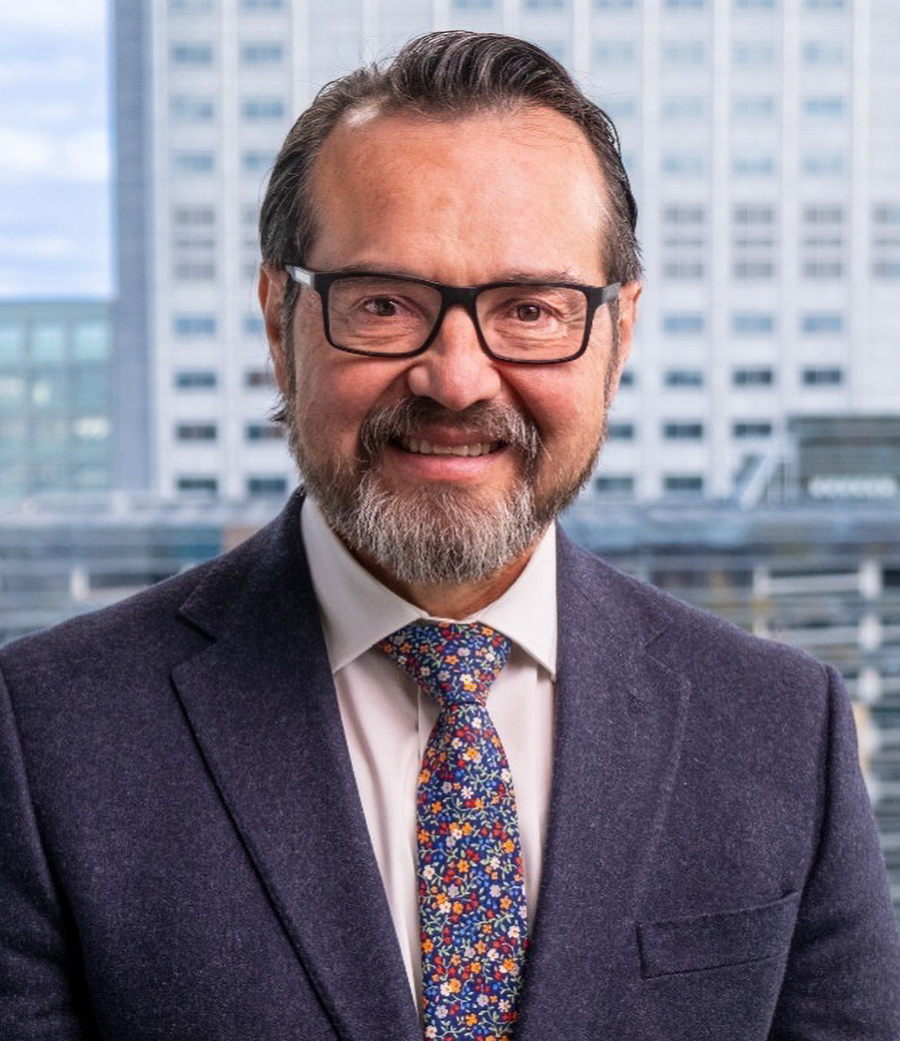 |
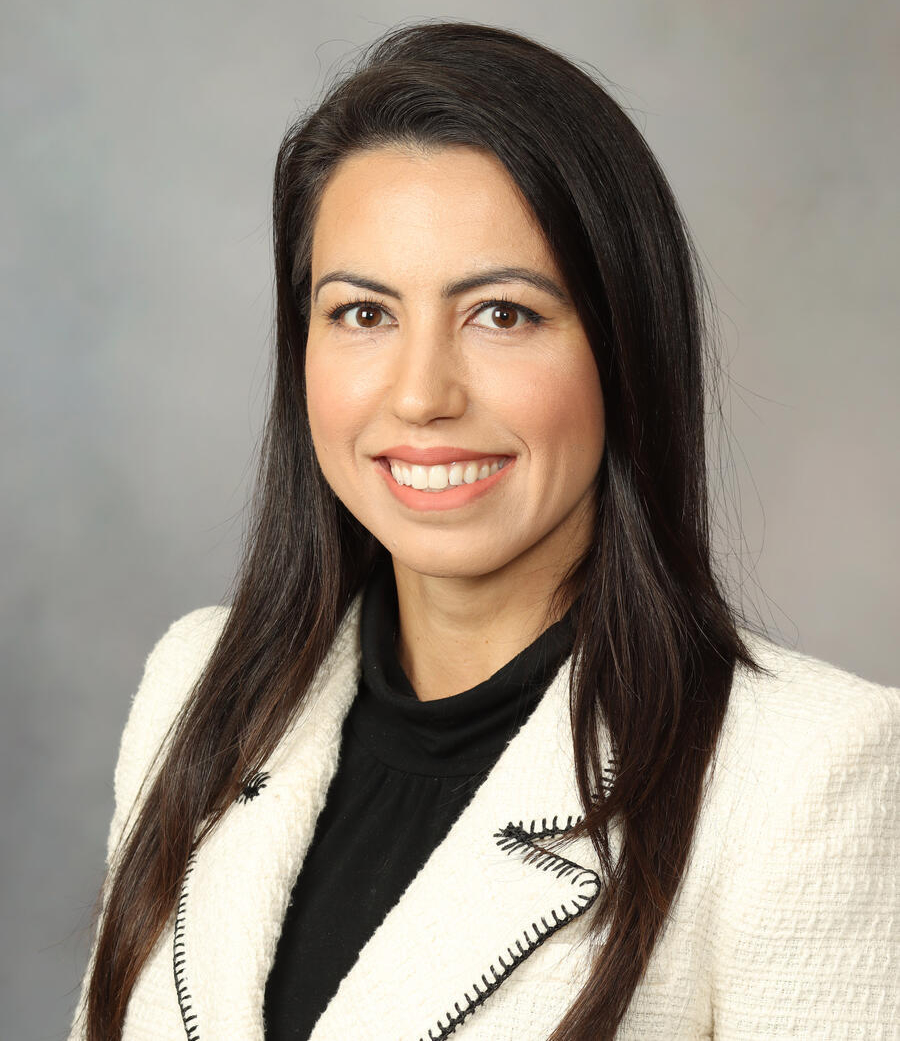 |
|---|---|
| Francisco Lopez-Jimenez, M.D., M.S. Founding and Immediate Past Division Chair |
Thais D. Coutinho, M.D. New Division Chair |
Preventive Cardiology Clinics
Director: Vlad C. Vasile, M.D., Ph.D.
The Cardiovascular Health Clinic provides comprehensive preventive cardiology services for patients with and without established cardiovascular disease. The team works closely with the Nicotine Dependence Center, the Vascular Medicine Clinic, Sleep Medicine, stress management, cardiovascular laboratory medicine and other specialties to offer a more precise and refined cardiovascular risk evaluation. This evaluation goes beyond traditional risk calculation and provides comprehensive recommendations to maximize the reduction of future or recurrent cardiovascular events. Consultations generally include a comprehensive exercise and physical activity prescription, nutritional counseling, and an action plan to reduce heart disease risk to the minimum.

Exercise floor in the Cardiac Rehabilitation Program
CARDIAC REHABILITATION PROGRAM
Directors: Carmen M. Terzic, M.D., Ph.D., and Amanda R. Bonikowske, Ph.D.
The core function of this state-of-the-art facility is to deliver cardiac rehabilitation to patients following a qualifying cardiovascular event or intervention. These include acute MI within the preceding 12 months, coronary artery bypass surgery, stable angina pectoris, heart valve repair or replacement, percutaneous transluminal coronary angioplasty or coronary stenting, heart or heart-lung transplant, stable heart failure with reduced ejection fraction, and peripheral arterial disease. The program offers education and activities related to exercise training, risk factor modification and psychosocial well-being.
The center-based program:
- Delivers hybrid or completely virtual programs through an interactive care plan for patients unable to attend in person.
- Provides cardiac rehabilitation for other cardiovascular diagnoses such as atrial fibrillation, cardiometabolic disorders, congenital heart disease and others.
- Serves approximately 500 local patients each year.
CARDIO-ONCOLOGY CLINIC
Director: Joerg Herrmann, M.D.
The Cardio-Oncology Clinic includes a multidisciplinary team of oncologists and hematologists and provides comprehensive, coordinated care for patients with cancer who also have or are at risk of heart and vascular disease. This patient-centered approach ensures that people can receive needed cancer therapy while reducing the risk of heart and vascular disease.
Mayo Clinic’s Cardio-Oncology Clinic has been recognized as a Gold Center of Excellence in Cardio-Oncology by the International Cardio-Oncology Society. This designation recognizes the highest level of patient care, quality, education, research, innovation and impact on the field. Comprehensive multidisciplinary coverage includes the entire scope of cardio-oncology, that is, all heart and vascular disease conditions across the continuum of cancer care and the entire spectrum of cancer therapies. The cardio-oncology rehabilitation (CORE) program, one of the first in the U.S., works on improvements in cancer survivorship and wellness.
CARDIO-RHEUMATOLOGY CLINIC
Director: Rekha Mankad, MD
Patients with rheumatologic conditions have an increased risk for cardiovascular diseases, particularly coronary artery disease, lung clots and strokes, in the absence of common risk factors for those conditions. This clinic helps patients to reduce their risk of heart attacks, strokes and other cardiovascular complications.
CARDIOMETABOLIC CLINIC
Directors: Francisco Lopez-Jimenez. M.D., M.S., and Kyla M. Lara-Breitenger, M.D.
Mayo Clinic Preventive Cardiology’s comprehensive Cardiometabolic Clinic aims to address and manage the complex interplay between cardiovascular and metabolic health. The clinic offers a multidisciplinary approach involving various healthcare professionals and components. One common goal is to help patients with cardiovascular disease living with obesity pursue weight loss in a safe and effective manner. This takes place through behavioral modification programs, nutrition programs, peer support, pharmacological therapy or surgery. The clinic’s patient population includes those diagnosed with metabolic disease and an underlying specific cardiovascular condition such as stable coronary artery disease, heart failure with preserved and reduced ejection fraction, pulmonary hypertension, adult congenital heart disease, or atrial fibrillation. The comprehensive multidisciplinary approach involves a team of exercise physiologists, dieticians and nurses, providing not only the initial evaluation but also close virtual follow-up, enrollment in peer-support groups and digital weight-loss programs, and support with the preapproval process for anti-obesity medications and surgery when indicated.
FAMILIAL HYPERLIPIDEMIA CLINIC
Director: Stephen L. Kopecky, M.D.
This clinic sees patients with diagnosed, suspected or history of familial hypercholesterolemia (FH). Many of these patients receive advanced genetic and clinical testing to confirm or rule out the diagnosis and receive appropriate treatment. Treatment may include oral lipid-lowering therapies, injectable drugs and plasmapheresis; cascade testing; and family screening. Many patients have genetic evaluation and counseling by a geneticist with expertise in FH. This clinic has worked extensively to develop digital tools to improve outcomes in patients with FH. These include automated detection of possible FH in patient electronic health records, clinical decision support to provide guidance to healthcare professionals at point of care, decision aids to facilitate shared decision-making for lipid-lowering therapy and a tool to help patients inform family members about their risk of FH.
LIPID CLINIC
Director: Stephen L. Kopecky, M.D.
This clinic serves patients with intolerance to statins and those with little response to standard lipid-lowering therapies. This clinic also sees patients with complex lipid conditions such as hyperlipoproteinemia (a), hyperchylomicronemia, isolated hypertriglyceridemia and sitosterolemia.
SPONTANEOUS CORONARY ARTERY DISSECTION CLINIC
Director: Sharonne N. Hayes, M.D.
Mayo Clinic’s SCAD Clinic is a specialized clinical practice dedicated to the diagnosis, treatment and research of spontaneous coronary artery dissection (SCAD). This rare and often misdiagnosed condition occurs when a tear forms in one of the blood vessels in the heart. SCAD can lead to heart attack or sudden death. SCAD predominantly affects younger and middle-aged women who have no other traditional risk factors for heart disease. The SCAD Clinic is one of the few centers in the world that offers comprehensive and multidisciplinary care for patients with SCAD, caring for more than 250 SCAD patients annually. The clinic is committed to providing the best possible care and outcomes for patients with SCAD. To learn more, visit the Spontaneous Coronary Artery Dissection (SCAD) Research Program website.
SPORTS CARDIOLOGY CLINIC
Directors: Darrell B. Newman, M.D., and Kathryn F. Larson, M.D.
One of the first sports cardiology clinics in the U.S., our physicians have an exceptional understanding of the unique physiology and needs of highly active individuals. The clinic cares for athletes of all levels, including elite, college, recreational and occupational athletes. The care team is composed of exercise physiologists, cardiologists and advanced practice healthcare professionals, all with extensive knowledge in cardiology and exercise physiology. This expertise allows them to adjust protocolized testing to meet the specific needs of their patients.
Director: Rekha Mankad, M.D.
The Women’s Heart clinic is one of the first in the U.S. and was started over 20 years ago to address the increased cardiovascular mortality in women compared with that in men. Since then, a great deal has been identified regarding sex differences in heart disease. The focus of this clinic is to identify and treat women with signs and symptoms of ischemic heart disease, particularly those who would not be considered to have high risk using standard risk prediction tools. Most women who have heart attacks would have been considered to have low risk before the heart attack. The Women’s Heart Clinic has expertise in addressing endothelial dysfunction and microvascular disease. The clinic has evolved to include diseases with specific female sex-based predilection, such as stress cardiomyopathy, autoimmune diseases affecting the heart, myocardial infarction with nonobstructive coronary disease and spontaneous coronary artery dissection.
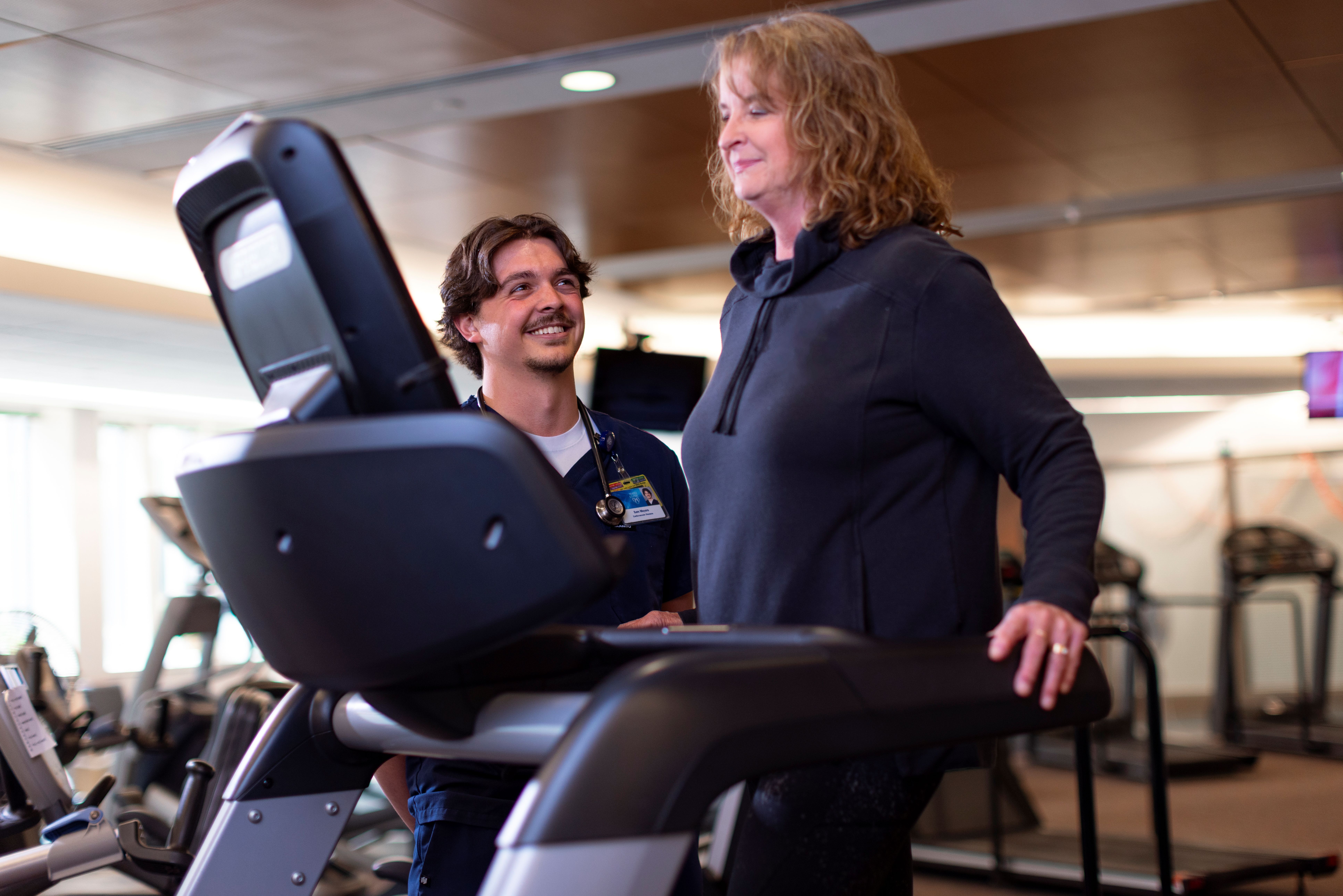
Clinical exercise physiologist working with a patient receiving cardiac rehabilitation
Laboratories and Other Clinical Service Highlights
Director: Thomas G. Allison, Ph.D., M.P.H.
The Preventive Cardiopulmonary Exercise Testing Laboratory not only plays a key role in the Preventive Cardiology practice but also serves all clinics in the outpatient Cardiovascular practice and other specialties that might use exercise testing at Mayo Clinic in Rochester. Each test is performed by a team including an exercise physiologist with ACLS certification and a stress test technician. The laboratory is staffed with two doctoral-level exercise physiologists daily to provide general supervision and interpret cardiopulmonary exercise tests. The team does 25 stress ECG exercise tests a day and an additional 25 cardiopulmonary exercise tests a day, including those performed with stress imaging. Exercise testing is a vital component of the Preventive Cardiology clinical program. Most patients seen in the Preventive Cardiology clinics have an exercise test before consultation, and exercise is an important part of the therapeutic interventions recommended. Cardiopulmonary exercise testing also is an essential part of the Cardiac Rehabilitation Program.
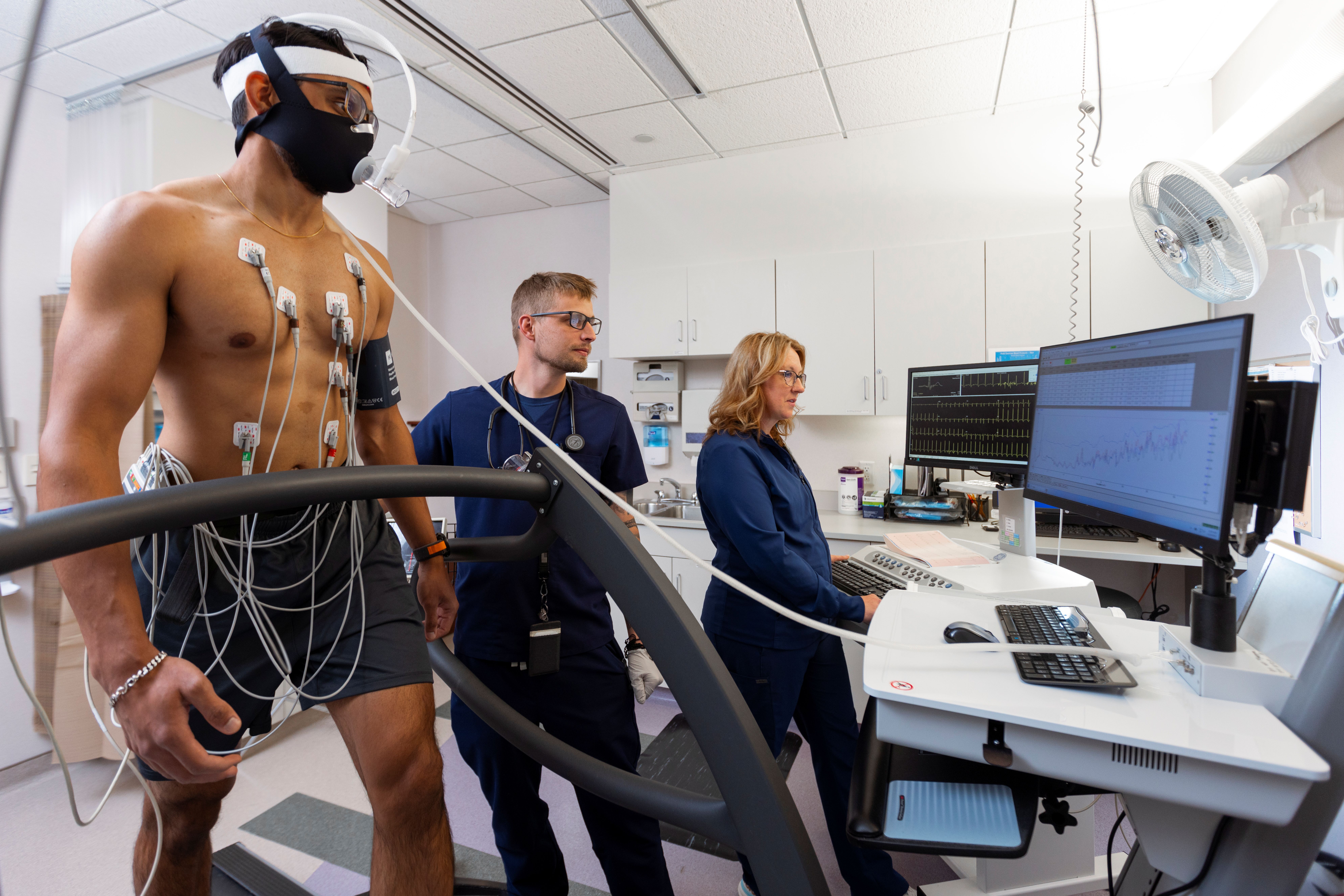
Cardiology staff guiding patient during a stress test
Mayo Clinic was among the earliest centers worldwide to incorporate advanced body composition assessment into preventive cardiology, starting with BodPod technology in 2002 and later adding DEXA scans. The clinic also pioneered the use of body composition testing in cardiac rehabilitation. The test assesses body fat content and distribution using state-of-the-art technology to improve risk assessment and measure response to lifestyle changes.
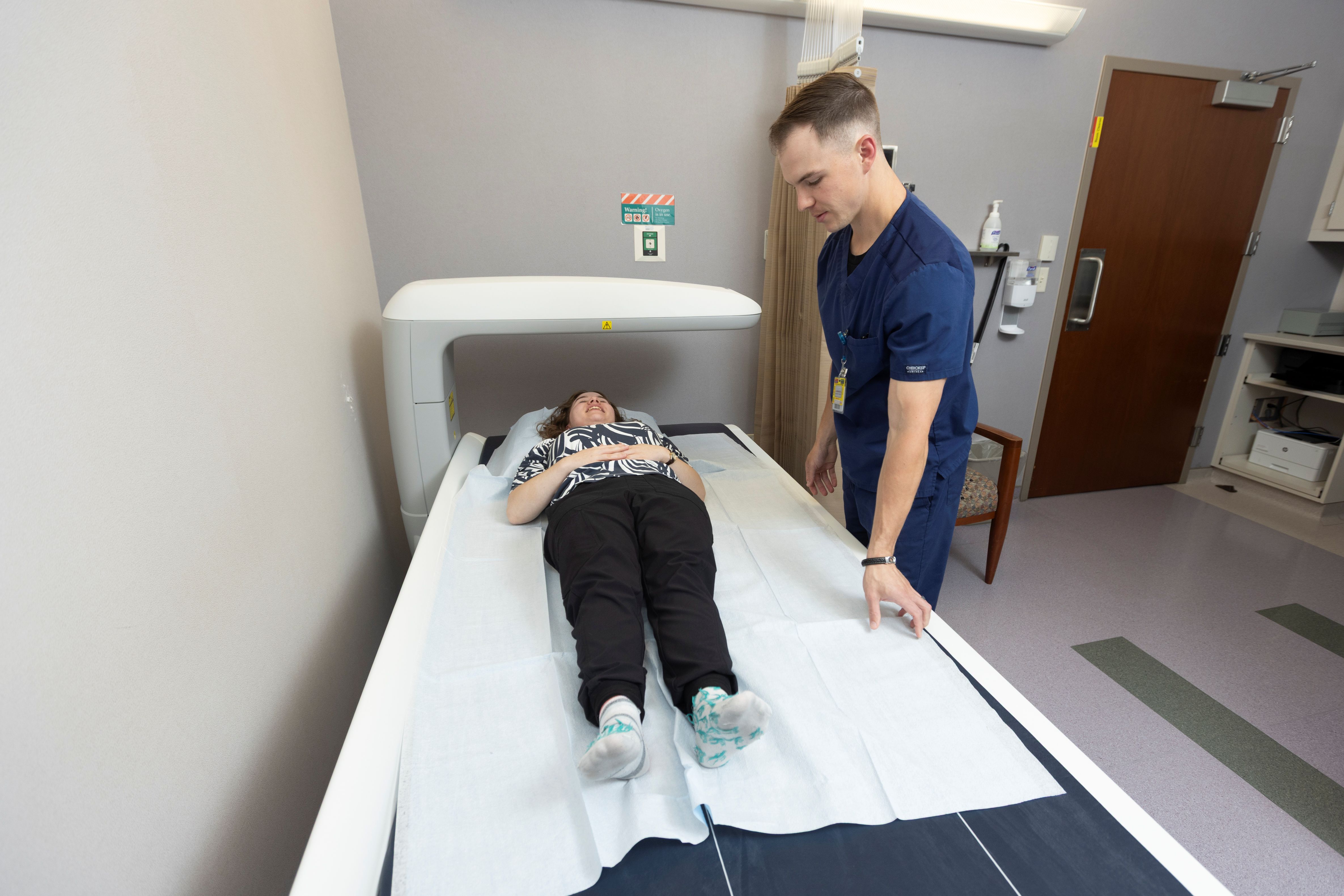
Preventive Cardiology staff guiding patient during body composition testing

Preventive Cardiology staff reviewing a body composition testing report
Mayo Clinic has pioneered the importance of nonexercised physical activity and was the first center to implement a formal consultative service to educate and empower patients to increase the level of physical activity at work with the Active Office Learning Laboratory. Here, patients get to know their basal metabolic rates and directly measure their caloric consumption while using a computer on a height-adjustable desk. The active workstation includes a walking pad, a stepper or a bike. Patients also learn how to perform simple exercises in the office, including resistance training.
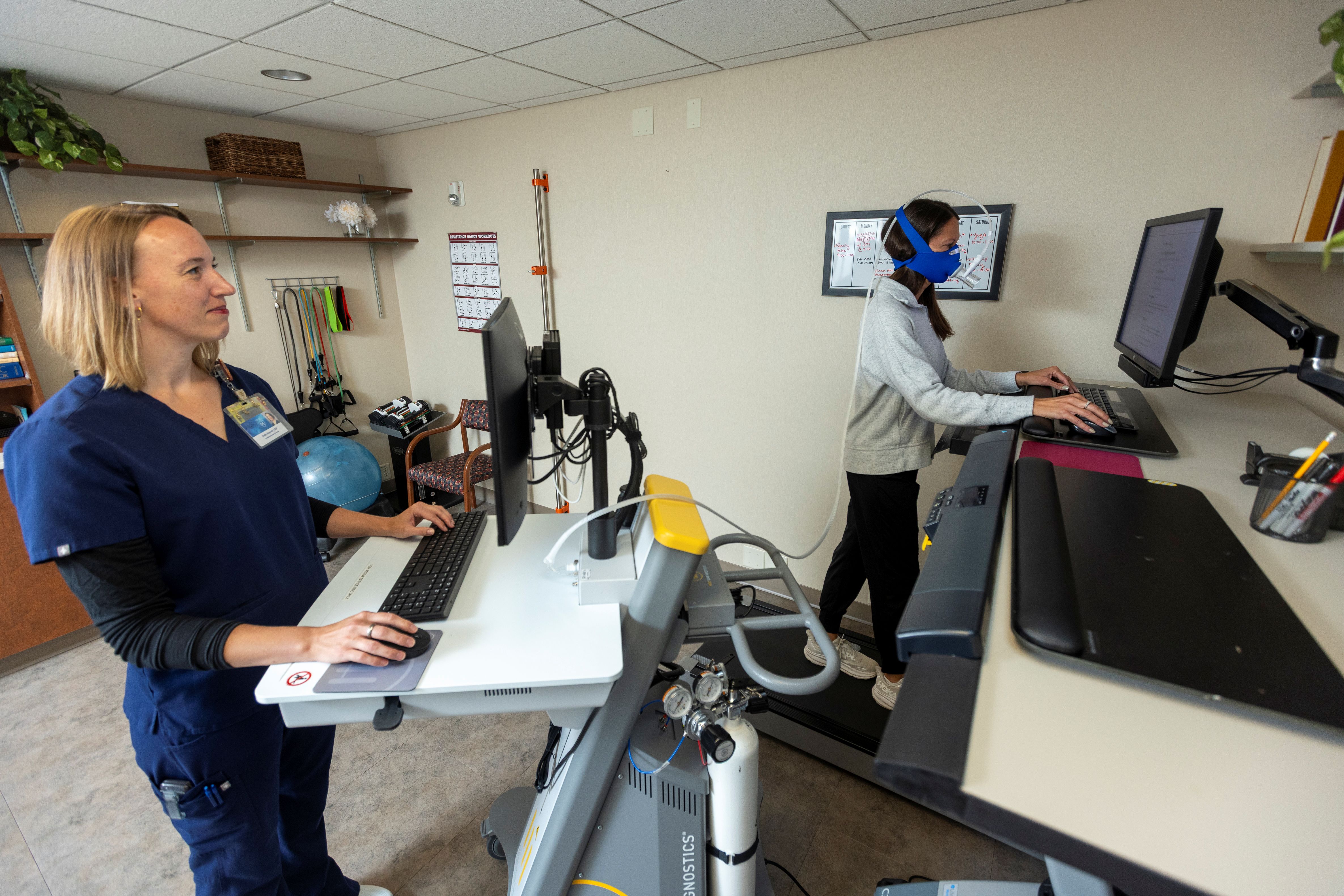
Cardiology staff performing an Active Office learning consultation.
CARDIOVASCULAR LABORATORY MEDICINE
Mayo Clinic Laboratories specializes in testing established and more sophisticated biomarkers of cardiovascular risk. The laboratory performs more than 175,000 specialized cardiovascular tests each year. Some examples of the niche biomarkers used to stratify cardiovascular risk are lipid metabolism profile, lipoprotein (a) cholesterol content, small dense LDL cholesterol and NMR lipid particle evaluation. A unique test offered by Mayo Clinic is the ceramide score. The laboratory uses a wide range of technologies including LC-MS/MS, NMR, ELISA, chromatography systems, flow cytometry, visible and fluorescence spectroscopy, combustion, electrophoresis, ultracentrifugation, and automatic chemistry analyzers.
Research
Chair: Adelaide M. Arruda-Olson, M.D., Ph.D.
Preventive Cardiovascular Research at Mayo Clinic focuses on advancing innovative therapeutics and novel diagnostics to prevent and treat cardiovascular disease.
Our faculty in Preventive Cardiology is comprised of 30 members.
- Professors of Medicine 13
- Associate Professors 5
- Assistant Professors of Medicine 3
- Instructors in Medicine 4
- Instructors in Nursing 2
- 172 peer reviewed articles in 2024 and 121 peer reviewed articles to date in 2025
- 49 innovation disclosures
- 16 active NIH and other federal grants (R grants, sub-awards, K or T awards/grants)
- 36 Industry contracts and institutional grants
Mayo Clinic is a pioneer in SCAD research, aiming to improve the understanding, diagnosis, and treatment through clinical, genetic, and translational studies. We have a large-scale registry and biobank initiatives that support research into SCAD’s mechanisms and outcomes. The work includes developing multidisciplinary clinical programs and leading prospective studies on SCAD. (Drs. Gulati, Hayes and Tweet) CARDIAC REHABILITATION RESEARCH This highly productive research program focuses on advancing cardiovascular health and rehabilitation through optimization of exercise-based and home-based care models. The program also examines barriers to participation, geographic disparities, and system-level factors affecting access and adherence. Additional work explores the relationship between sleep disorders and cardiovascular risk, as well as the effects of repeat rehabilitation. Ongoing research addresses the impact of cardiac rehabilitation on patients with non- traditional qualifying diagnoses. Collectively, these efforts aim to improve the effectiveness, reach, and personalization of cardiac rehabilitation for secondary prevention of cardiovascular disease. (Drs. Bonikowske, Coutinho, Lopez-Jimenez, Olson, Terzic and Thomas) SLEEP AND HEART DISEASE RESEARCH This program investigates the interactions between sleep, obesity, and cardiovascular disease and spans molecular, genetic, epidemiologic, data-analytic, and patient-oriented approaches. Key findings include the cardiovascular impact of different sleep stages, the effects of sleep restriction on blood pressure, sympathetic activity, endothelial function, and fat distribution on heart disease. This research aims to advance understanding of how sleep disturbances contribute to cardiovascular disease. (Drs. Somers and Svatikova) EXERCISE TESTING AND CARDIORESPIRATORY PHYSIOLOGY This program includes clinical and environmental physiology, human performance, and cardiorespiratory function research. The teams develop noninvasive methods to measure cardiac output, pulmonary blood flow, bronchial blood flow, and gas exchange across the alveolar-capillary membrane. They also study exhaled breath biomarkers in health and disease. It involves analyzing large data sets of individuals without cardiovascular disease undergoing exercise ECG testing, as well as smaller data sets of patients with specific cardiovascular conditions undergoing cardiopulmonary exercise testing. (Drs. Allison, Johnson and Olson) EQUITY IN HEART DISEASE PREVENTION This program focuses on developing innovative, community-based strategies to promote cardiovascular health and reduce health disparities in under-resourced populations. This work integrates mixed-methods research to understand sociocultural and environmental factors influencing heart health. This includes studies on faith-based, mobile, and digital health interventions to prevent cardiovascular disease and improve access to cardiac rehabilitation. (Drs. Brewer and Hayes) CARDIO-ONCOLOGY RESEARCH This program integrates basic, translational, and clinical science to study cardiovascular complications from cancer therapies and includes developing new treatments for heart failure caused by cancer drugs such as anthracyclines. The program emphasizes cost-effective surveillance strategies using wearables and artificial intelligence. Current prospective trials evaluate early cardiotoxicity in patients with lymphoma, breast cancer, sarcoma, and those undergoing proton or photon radiotherapy. (Drs. Herrmann and Villarraga) BODY COMPOSITION AND HEART DISEASE This research program focuses on the intersection of obesity, metabolic abnormalities and heart disease. Our team developed foundational research promoting the use of body composition in preventive cardiology and cardiac rehabilitation, identified the phenotype “normal weight obesity,” and has been a pioneer on the cardiovascular effects of weight loss and the use of 3-D scanners to predict the presence of metabolic syndrome and cardiovascular risk. (Drs. Bonikowske and Lopez-Jimenez) LEADERSHIP IN MULTICENTER TRIALS ON LIPID THERAPIES This involves research on novel lipid-lowering therapies and cardiovascular risk reduction. This work includes clinical trials of small interfering RNA therapies, PCSK9 inhibitors, CETP modulators, PPAR agonists, and statins. Our investigators have contributed to studies on early in-hospital statin use in acute coronary syndrome. Current research focuses on gene therapies, Lp(a), and emerging lipid-targeted treatments and investigating therapies for patients with complex dyslipidemias. (Drs. Kopecky and Wright) ARTIFICIAL INTELLIGENCE FOR EARLY DETECTION OF CARDIOVASCULAR DISEASE AND MANAGEMENT We are pioneering artificial intelligence-enabled tools using ECG data to detect cardiac conditions like left ventricular dysfunction, atrial fibrillation, cardiac amyloidosis, among others. Our group was the first to conceptualize and prove that the ECG can measure physiological age through AI. We also use clinical informatics to advance cardiovascular disease risk assessment and prevention. This work integrates the use of deep neural networks, natural language processing and large-scale data analysis to improve cardiovascular risk stratification. (Drs. Arruda-Olson, Attia and Lopez-Jimenez) NOVEL BIOMARKERS IN CARDIOVASCULAR RISK AND PREVENTION This research aims to identify novel blood markers for risk assessment and prognosis. Studies include the evaluation of lipoprotein (a), small dense LDL, and ceramides, to uncover residual or hidden cardiovascular risk and their implementation in clinical practice. (Dr. Vasile) This research also includes investigation on aging using vascular studies and assessing the complex intersection of aging, gender differences and cardiovascular disease. (Dr. Coutinho).
Education
Chair: Stephen L. Kopecky, M.D.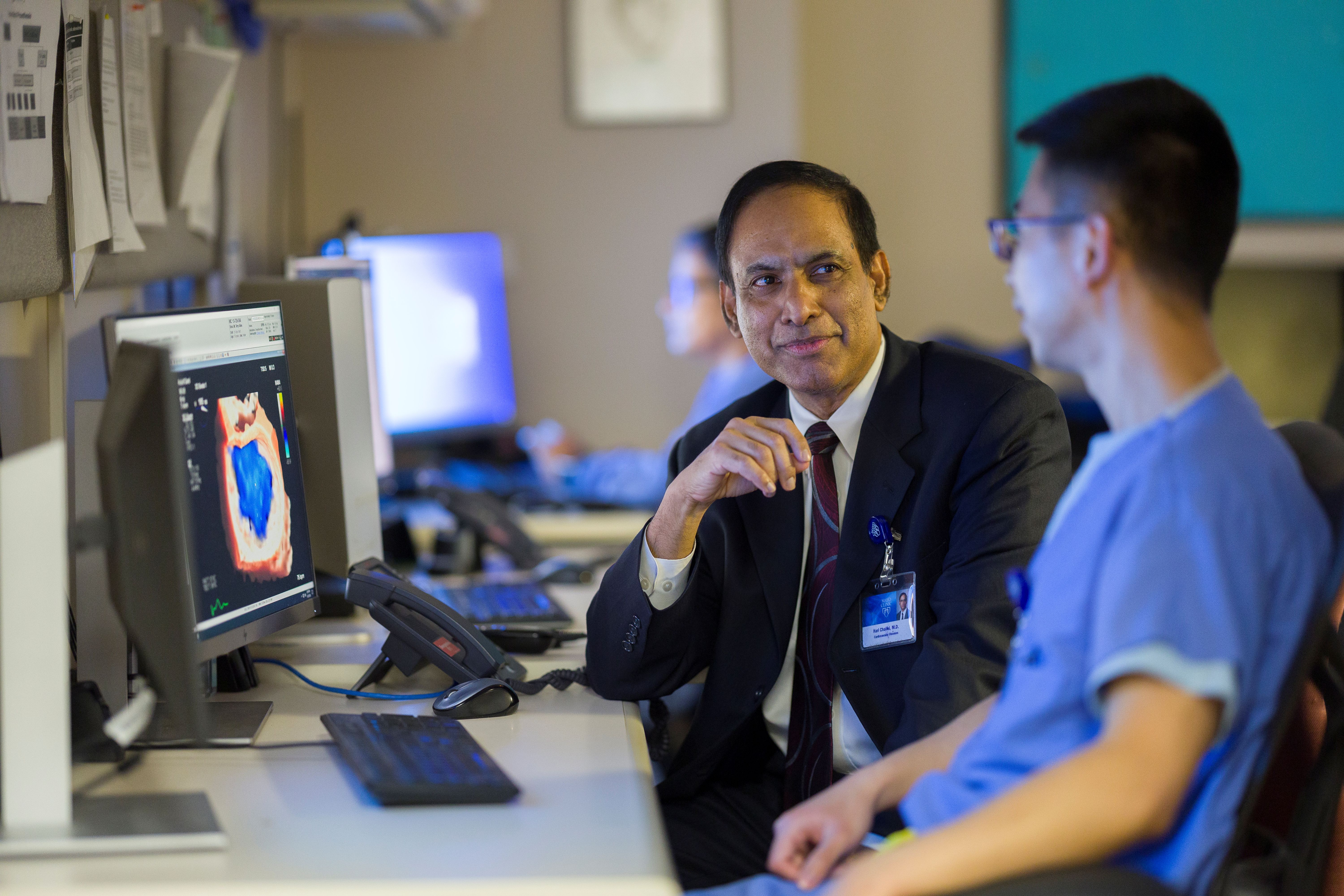
Thomas G. Allison, Ph.D., M.P.H. Adelaide M. Arruda-Olson, M.D., Ph.D. Zachi Attia, Ph.D., M.B.A. Amanda R. Bonikowske, Ph.D. LaPrincess C. Brewer, M.D., M.P.H. Frank V. Brozovich, M.D., Ph.D. Thais D. Coutinho, M.D. Thomas C. Gerber, M.D., Ph.D. Rajiv Gulati, M.D., Ph.D. Sharonne N. Hayes, M.D. Joerg Herrmann, M.D. Bruce D. Johnson, Ph.D. Stephen L. Kopecky, M.D. Kyla M. Lara-Breitinger, M.D., M.H.S.
Kathryn F. Larson, M.D. Francisco Lopez-Jimenez, M.D., M.S. Rekha Mankad, M.D. Darrell B. Newman, M.D. Thomas P. Olson, Ph.D., M.S. Dejana Popovic, Ph.D. Virend Somers, M.D., Ph.D. Anna Svatikova, M.D., Ph.D. Carmen M. Terzic, M.D., Ph.D. Randal J. Thomas, M.D. Marysia S. Tweet, M.D., M.S. Vlad C. Vasile, M.D., Ph.D. Hector R. Villarraga, M.D. R. Scott Wright, M.D.
To refer a patient to Preventive Cardiology, call 507-738-4002 or go to Mayo Clinic Medical Professionals – Cardiovascular Diseases.
Imagery is copyright Mayo Clinic, Getty Images, Shutterstock, or approved for use.
©2025 Mayo Foundation for Medical Education and Research. All rights reserved. MAYO, MAYO CLINIC and the triple-shield Mayo logo are trademarks and service marks of MFMER.